Greenwood Village vs Denver Suburbs: Is It Your Best Fit?
June 25, 2026
June 25, 2026
Wondering whether Greenwood Village should be at the top of your Denver-area shortlist? If you are relocating to South Metro Denver, this small but highly connected city can look especially appealing at first glance. The key is knowing how Greenwood Village actually lives day to day, and how it compares with nearby options, so you can choose a place that fits your commute, housing preferences, and lifestyle priorities. Let’s dive in.
Greenwood Village offers a combination that is hard to find in one place. It sits immediately south of Denver in Arapahoe County, covers about 8.3 square miles, and has roughly 15,691 residents, but it also supports about 38,500 daytime workers. That gives it a different feel from many suburbs because it is both residential and deeply tied to a major employment corridor.
If you want to be near the Denver Tech Center without living in the middle of downtown Denver, this location can make a lot of sense. The city describes itself as a blend of urban and residential areas, and that shows up in how the community is planned, how people commute, and what types of homes you will find.
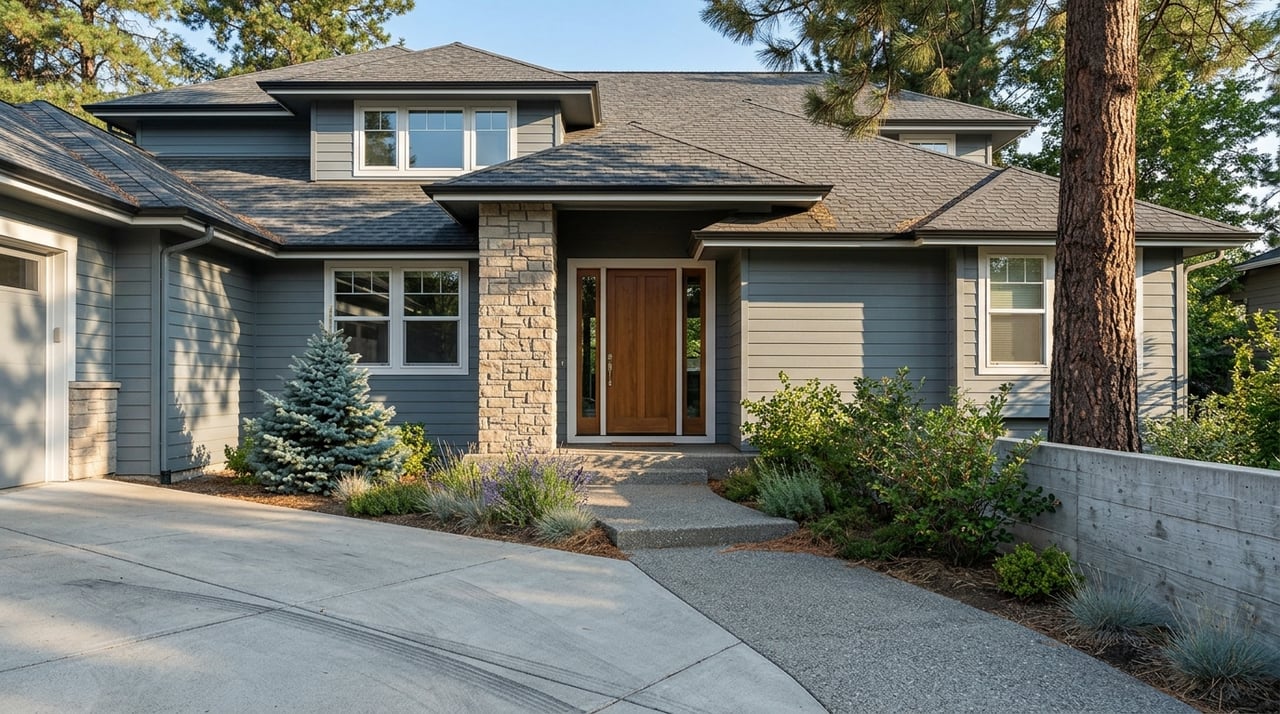
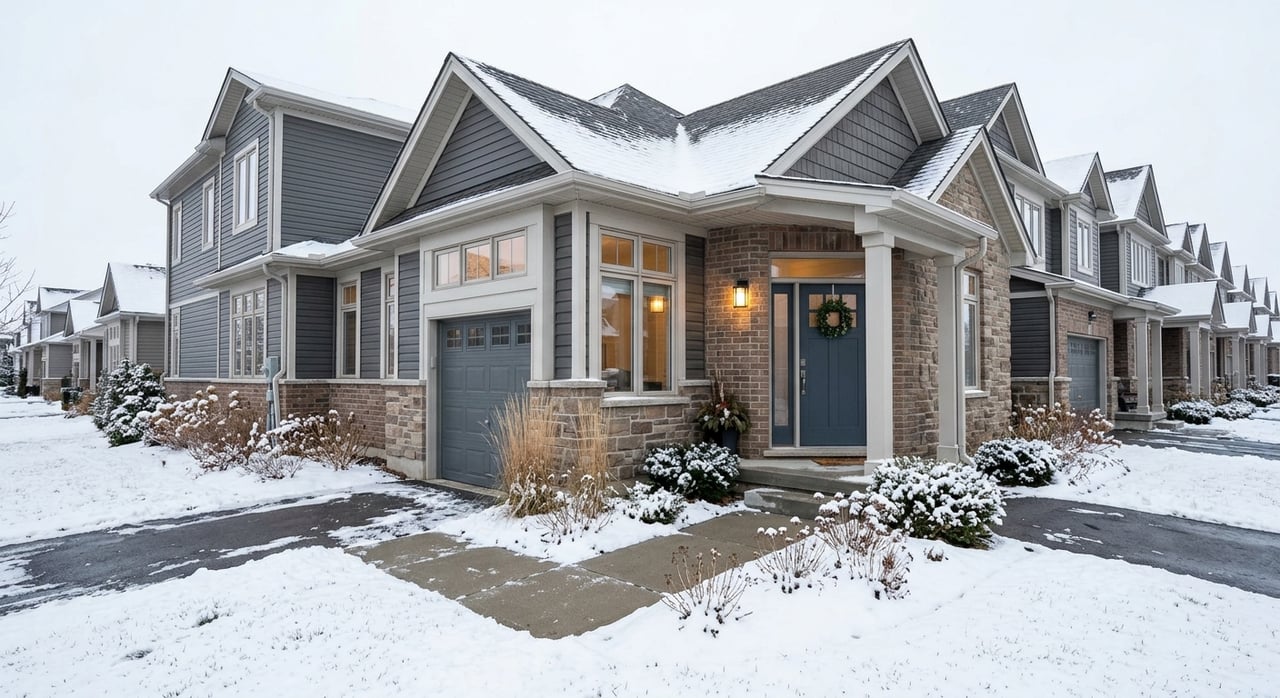
One of Greenwood Village’s biggest strengths is housing variety. This is not a one-note suburb where every home type feels the same. You can find detached-home neighborhoods, along with apartments and condominiums, especially near the Denver Tech Center.
That mix matters if you want flexibility. Some buyers want a lower-maintenance home close to work and transit, while others want a more traditional single-family setting. Greenwood Village can serve both goals better than many nearby suburbs.
Greenwood Village also includes a wide range of density and lot sizes. The city’s planning documents support maintaining a single-family detached character in much of the city, while also identifying a Rural Homestead planning area that averages about 0.4 dwelling units per acre, or one home per 2.5 acres.
In practical terms, that means Greenwood Village can feel very different from one area to another. Some parts are more compact and commute-focused, while others offer a lower-density, more spacious residential pattern. If you value choice within one city, that is a real advantage.
For many relocation buyers, commute style can make or break a move. Greenwood Village has one of the strongest transit-access stories in the South Metro area. RTD’s Southeast Light Rail Line serves the city, including Orchard and Arapahoe at Village Center stations on the west side of I-25.
The Arapahoe station also includes an 817-space park-and-ride, which adds another layer of convenience. If you want options beyond driving every day, Greenwood Village stands out more than several nearby suburbs.
Because Greenwood Village is so closely connected to the Denver Tech Center and the broader south-metro office corridor, it often works well for professionals who want to cut down on daily travel friction. The city’s large daytime employment base helps explain why it feels more employment-adjacent than a purely residential suburb.
If your job is in or near DTC, Greenwood Village can offer a simpler routine than communities farther out. That does not automatically make it the best fit for everyone, but it is one of its clearest advantages.
Greenwood Village is not just about location and commuting. The city also has a strong parks and trails system for its size, with 31 parks, 280 acres of parks, and 47 miles of trails and paths. It also connects to regional routes such as the High Line Canal Trail and the Cherry Creek Trail.
That outdoor access can shape your daily life more than you might expect. If you like walking, biking, or simply having nearby open space, Greenwood Village delivers more than a typical small suburb. The city also highlights equestrian parks, which adds to its varied character.
Greenwood Village usually makes the most sense if you are looking for convenience without giving up housing variety. It is especially appealing for relocation buyers who want:
If your top priority is having the biggest lot possible or a more purely residential suburban layout, another nearby community may fit better. But if your goal is balancing commute, flexibility, and amenities, Greenwood Village deserves a serious look.
Choosing the right suburb often comes down to trade-offs. Greenwood Village is strong, but it is not interchangeable with Parker, Centennial, Highlands Ranch, or Cherry Hills Village. Each offers a distinct lifestyle pattern.
Parker is more outward in its commute pattern and more clearly car-oriented. Its planning documents describe primarily master-planned residential areas with lower-density and medium-density development, and the town’s transportation framework emphasizes access by road, including I-25 and E-470.
If you want a bigger-feeling suburban environment and are comfortable with a drive-based routine, Parker may appeal to you more. If you want stronger transit adjacency and closer DTC access, Greenwood Village usually has the edge.
Centennial offers a broad range of housing types and a flexible zoning framework, including neighborhood conservation, infill districts, and accessory dwelling units in multiple categories. It also has a notable corridor story around Midtown and the Dry Creek Light Rail Station.
If you want a wider blend of established neighborhoods and a growing transit-oriented corridor, Centennial can be a strong middle-ground option. Greenwood Village tends to feel smaller, more employment-adjacent, and more directly tied to DTC.
Highlands Ranch is a large master-planned community with an amenity-rich suburban structure. It spans about 22,000 acres, with zoning for roughly 30,000 single-family homes and 9,000 multifamily units, plus developed commercial property.
If you want a large, highly organized suburban community with extensive parks, trails, and arterial road networks, Highlands Ranch may be a strong fit. Greenwood Village is better suited if you prefer a smaller city with more immediate office-corridor access and rail service.
Cherry Hills Village is the outlier if low density is your main priority. It is a predominantly residential 6.5-square-mile community of about 6,000 residents, with planning that emphasizes rural and low-density residential patterns, including parcels of 2.5 acres or larger in some areas.
If you want estate-level privacy and a strongly preserved low-density character, Cherry Hills Village is in a different category. Greenwood Village offers more housing variety and stronger employment and transit access, but it is not the same kind of estate-oriented setting.
Before you decide, it helps to get honest about how you want your next move to feel. Greenwood Village may be right for you if these questions lead to a yes:
If you answer yes to most of those, Greenwood Village may be one of the best matches for your Denver move.
Greenwood Village is a smart option for buyers who want South Metro convenience without locking themselves into one housing style or one suburban pattern. It is smaller and more connected to employment than Parker or Highlands Ranch, more varied in housing feel than a purely estate-focused community, and especially compelling when commute time and flexibility matter.
If you are relocating and want a clear, tailored view of how Greenwood Village compares with other South Metro Denver suburbs, personalized guidance can save you time and help you narrow the field with confidence. For white-glove relocation support and local insight, connect with Andrea Wright.
ANDREA'S MANTRA ECHOES HER DEDICATION: "LUXURY ISN'T A PRICE-POINT - IT'S MY SERVICE STANDARD!"

482 West Happy Canyon Road
Castle Pines, CO 80108