Buying in Castle Pines Village: Guide to Gated Living
January 1, 2026
January 1, 2026
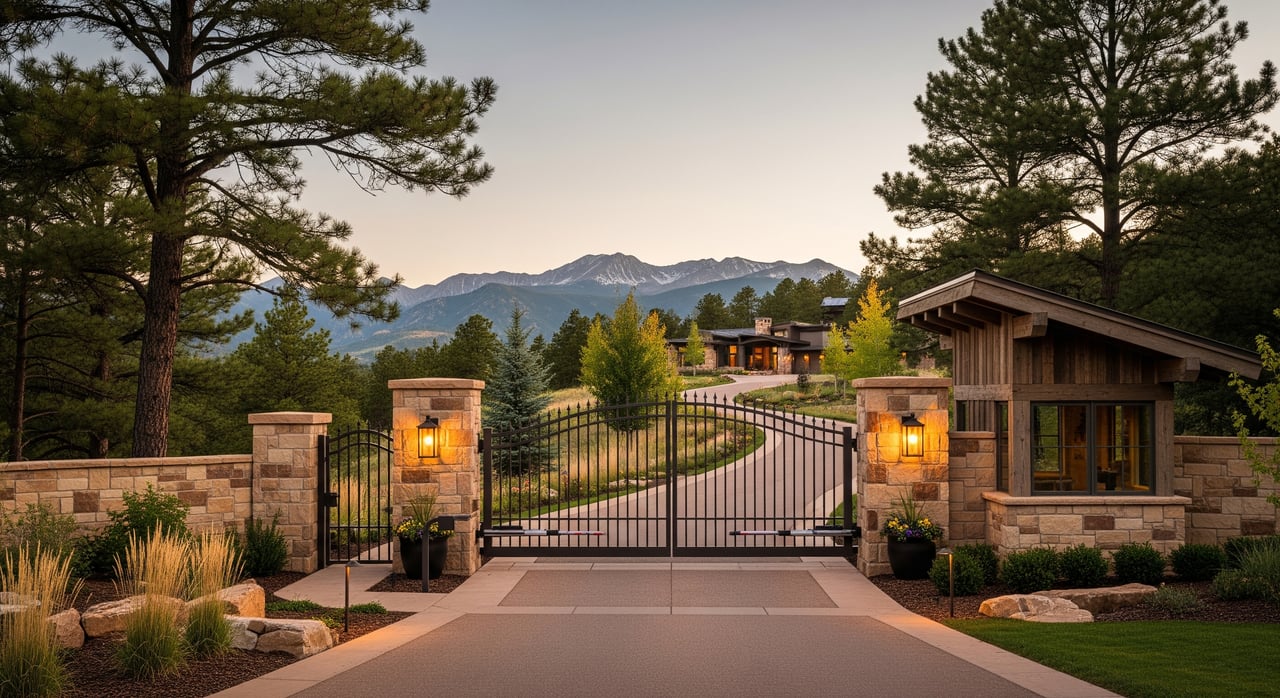
Considering a move to Castle Pines Village but want to be sure gated living fits your lifestyle and goals? You are smart to do a little homework first. Gated, golf-oriented communities come with unique rules, approvals, costs, and timelines that shape your day-to-day experience and your purchase strategy. In this guide, you will learn how the HOA and private club differ, what the Architectural Review Committee means for future projects, which inspections matter most for custom homes, how wildfire risk can affect insurance, and how to craft a winning offer in a low-turnover enclave. Let’s dive in.
Gated communities often have several layers of oversight. You will typically work with a homeowners association for roads, gates, security, and common areas, and a separate private country or golf club for amenities and membership. In low-turnover neighborhoods like Castle Pines Village, understanding the difference helps you plan both your lifestyle and your budget.
Expect gate procedures for guests, deliveries, and contractors. Visitor passes and scheduling rules can create minor delays, so it helps to know the process before moving day or starting a remodel. Gated living can support privacy and peace of mind, but it does not replace common-sense security at home.
HOA dues usually fund the operations you see daily, like gatehouse staffing, road upkeep in common areas, landscape care, and community utilities. Club dues, if you choose to join, are separate and cover things like the course, clubhouse, pool, fitness, and dining depending on membership level.
Find out how the gates work for residents, guests, and service providers. Ask sellers about typical wait times and how they handle contractor access. If you plan a remodel, confirm staging and parking rules so your project runs smoothly.
Many gated communities regulate overnight street parking and guest parking. Short-term rentals are often limited or require approvals, so check the CC&Rs if renting is part of your plan. Moving days and large deliveries usually require coordination with the HOA or gatehouse.
HOA dues generally pay for gate operations, community road maintenance, landscaping in common areas, and security services. Ask for recent financials, reserve studies, and any notice of special assessments. If a metropolitan or special district serves the area, confirm taxes or fees associated with it.
In golf-focused communities, the country club is a separate entity. Membership may be optional and can come with initiation fees, monthly dues, food and beverage minimums, and rules for guests. Some clubs have waitlists, transfer rules at resale, or capital assessments, so get written details from the club and the seller.
An Architectural Review Committee typically oversees exterior changes to protect community standards and property values. Expect reviews for additions, new construction, major landscape updates, fences, paint, roof materials, hardscapes, solar, antennas, and outbuildings. Construction rules often cover work hours, parking, dust control, and site safety within the gates.
ARC applications often include site plans, elevations, colors, materials, drainage and landscape plans, and proof of contractor licensing or insurance. Many communities charge an application fee and require a refundable deposit or construction bond for cleanup and repair of any damage. Approval timelines vary, but committees often respond within a few weeks to about 60 days. Verify the exact rules and timeline in the community’s governing documents.
Custom homes can include unique materials, hillside engineering, and high-end systems that require specialized inspections. In low-turnover communities with larger lots and varied terrain, you should plan a deeper review than a standard inspection.
Ask for original plans, permits, certificate of occupancy, warranties, and any ARC approvals. Confirm that major projects were permitted and closed. Maintenance records for roofs, HVAC, boilers, and water features help you forecast future upkeep.
Review recorded easements that can limit yard use, such as trail, drainage, or slope easements. A survey can confirm lot lines and setbacks, which is useful when improvements are older or near boundaries. Work with your title company and, if needed, an attorney to review any exceptions.
Wildfire risk can affect both insurance availability and premiums. Look for defensible space around the home, Class A roofing, ember-resistant vents, and landscape practices that reduce fuel. Some HOAs promote mitigation or fuel-reduction programs, so ask what is required and what is supported.
Insurance carriers may have special deductibles or requirements for certain features like pools, steep slopes, or generators. Confirm the water and sewer provider, and whether any master-metered utilities or special districts affect billing. Check flood and drainage risk, even on hillsides, by reviewing local maps and reports.
Plan for three buckets of costs. HOA dues cover common-area operations you will rely on daily. Club membership, if you opt in, is separate and varies by level and privileges. Property taxes are set by the county, and some areas also have metro district levies, so confirm both before you finalize your budget.
Ask for the HOA’s recent financials, meeting minutes, and reserve study to gauge maintenance posture and the likelihood of special assessments. Clarify any club capital assessments, initiation fees, and transfer rules in writing with the club.
Low-turnover enclaves require strong preparation and clean presentation. Sellers often value certainty and timing as much as price.
Have your agent ask the listing agent about the seller’s priorities such as timing, price, and certainty. Present a complete, error-free offer. Keep emotions measured, and let terms show your strength.
Move fast on inspections and specialist visits in case schedules are tight. Order title work early, and request the HOA estoppel or resale certificate for dues status and pending assessments or litigation. If you plan post-closing changes, start discussing ARC timelines now.
Buying in Castle Pines Village can be a smart move if you value privacy, natural beauty, and a refined neighborhood experience. The key is to prepare, verify, and negotiate with precision. With the right plan, you will protect your investment and enjoy the lifestyle you want.
If you want a guide who knows South Metro Denver, custom homes, and gated community nuances, connect with Andrea Wright for tailored, white-glove buyer representation.
ANDREA'S MANTRA ECHOES HER DEDICATION: "LUXURY ISN'T A PRICE-POINT - IT'S MY SERVICE STANDARD!"

482 West Happy Canyon Road
Castle Pines, CO 80108