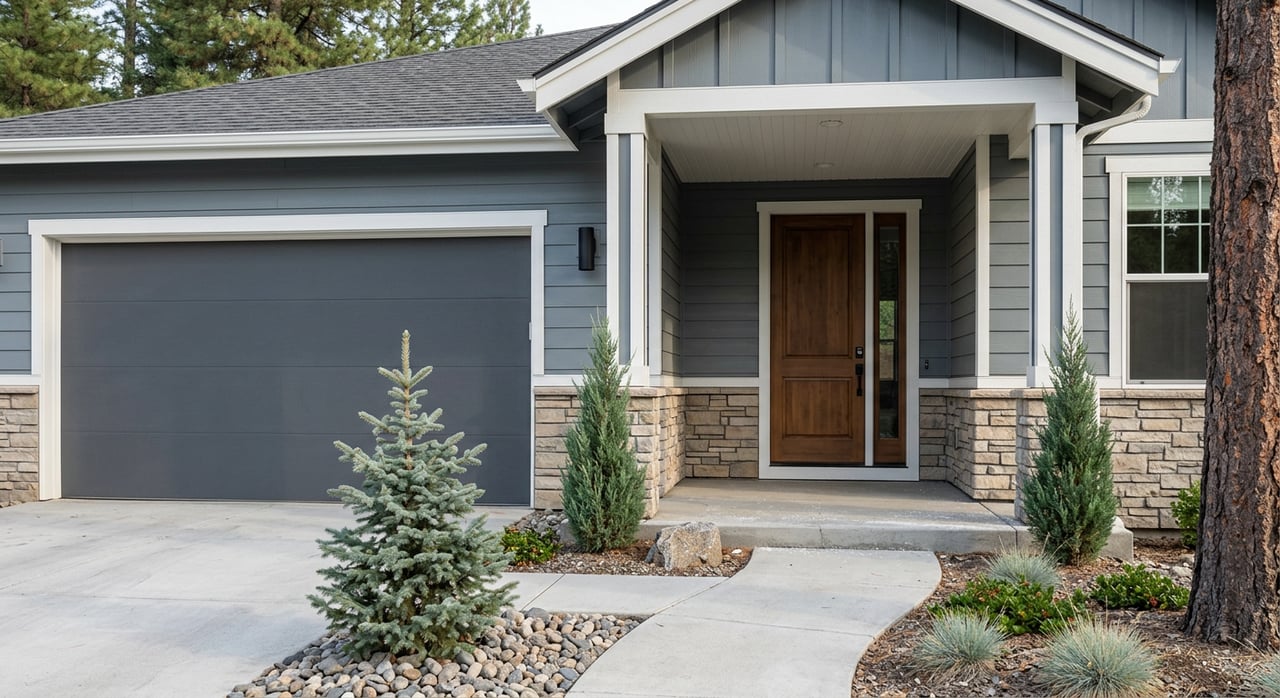
Is Castle Pines Village Right for Lock-and-Leave Living?
March 24, 2026
March 24, 2026
Do you want the freedom to travel without worrying about your home? If you split time between cities, fly often for work, or plan to downsize into a low‑maintenance lifestyle, you might be eyeing Castle Pines Village. The neighborhood is designed to support lock‑and‑leave living with staffed gates, in‑house emergency services, and community‑managed basics. In this guide, you’ll see how those systems work, what the HOA covers, where owner responsibilities begin, and practical steps to set up a smooth routine.
Let’s dive in.
Castle Pines Village spans roughly 2,800 acres with about 1,800 homes, multiple amenity centers, and five staffed gate entries. The community even advertises vacation home monitoring, along with fitness, pools, courts, and trails that are maintained for you. These features help you enjoy your time at home, then lock the door and go when you need to. You can confirm these community fundamentals in the Village’s published fact sheet, which outlines gates, amenities, and services for residents considering a lock‑and‑leave property. See the Village fact sheet for a community snapshot.
The Village operates Castle Pines Emergency Services (CPES), a 24/7/365 team funded by homeowner dues. CPES supplements county services and focuses on neighborhood safety, including alarm monitoring and vacation checks for residents who travel. For many owners, this is the backbone of a lock‑and‑leave lifestyle. Learn about CPES roles and services.
Visitor access is structured and predictable. You will use the dwellingLIVE system to pre‑clear guests, issue temporary or permanent codes, and request RFID tags for frequent service providers. Guests must show valid ID at the gate, and vendors follow specific entry points and hour windows. These procedures reduce random drive‑through traffic and make it easier to coordinate arrivals when you are away. Review gate access and dwellingLIVE details.
You can request CPES “special monitoring” while you are gone. That may include extra patrols, door or window checks, and grounds checks, plus alarm monitoring if you enroll. It is a powerful safety net, but it is not a guarantee against loss. The community rules explain that Emergency Services act on a reasonable efforts basis, that homeowners must keep alarm and fire systems in working order, and that Knox Boxes improve emergency access. Homes built after August 1995 require a Knox Box under Village rules. Read the Rules and Regulations for monitoring limits and owner duties.
Your dues to the Castle Pines Homes Association (CPHA) fund CPES, amenity operations, and common‑area maintenance. The HOA also manages trash and recycling contracts, which centralizes pickup and reduces weekly to‑dos. Exact services vary by property type, so always confirm the inclusions for your specific address. Check the CPHA dues page for what the association covers.
For everyday convenience, the Village publishes a trash and recycling calendar, including collection timing and placement rules for association carts. That consistency supports absentee living and keeps service reliable while you are away. View the current recycling schedule.
The Village includes two major property classes, and they affect both cost and convenience:
There are 19 sub‑associations designated as clusters. To compare options accurately, verify whether a home sits in the main association only or in a sub‑association as well. The CPHA dues page explains the custom versus cluster framework.
There is no single HOA number that fits every home in Castle Pines Village. Market pages commonly show a base association figure, and some listings reflect combined assessments that include a sub‑association. You will see a wide range across property types, so always confirm the exact dues for the specific parcel. To understand why listings vary, review a representative neighborhood guide that highlights this variability across home types. See how HOA totals vary across listings.
For a true lock‑and‑leave budget, include these items in your estimate:
Snow removal is split by jurisdiction. The Castle Pines Village Metropolitan District plows and maintains about 90 lane‑miles of public roads inside the Village, with collector roads prioritized. Private roads, common drives, and some sub‑association streets may not be covered, so confirm for your specific lot. If your driveway or lane is private, arrange a local plow service before winter travel. Review the Metro District snow policy.
Wildfire and defensible space matter in a pine‑covered community. Village rules require owners to clear dead branches and brush and avoid fire hazards. The Village participates in Firewise USA community efforts, and owners are expected to maintain their alarm and fire systems and test alarms with Emergency Services at least once a year. Confirm wildfire, safety, and alarm requirements in the Rules and Regulations.
For frequent flyers, location is a strong advantage. The Village positions itself as roughly 20 minutes to the Denver Tech Center, about 45 minutes to downtown Denver or Denver International Airport via E‑470 in typical traffic, and about 20 minutes to Centennial Airport for private and corporate flights. Commute times depend on route and time of day, so test your usual window to confirm. See the Village’s proximity overview.
Highway access is straightforward. You are just off I‑25 with reasonable access to E‑470, which supports smooth trips to DIA, the DTC, and the southern suburbs. That connectivity helps make a lock‑and‑leave routine realistic for busy travel schedules.
Castle Pines Village is a practical fit if you:
If you plan to rent your home while away, review the rental section of the community rules. Minimum terms and approvals apply in some cases, and short rental periods can be restricted. Check rental guidelines in the Rules and Regulations.
Use this step‑by‑step list to streamline your first month:
If your ideal routine is to enjoy resort‑style amenities when you are home and leave confidently when you travel, Castle Pines Village delivers the structure to make that work. You get community‑funded Emergency Services, controlled access, managed amenities, and centralized household basics that support low‑maintenance living. The key is choosing the right property type, confirming total assessments, and setting up the access and vendor plan that matches your travel pattern.
If you want help comparing custom and cluster options, confirming dues and coverage, and building a lock‑and‑leave setup tailored to your needs, connect with Andrea Wright for concierge guidance in Castle Pines Village and the South Metro Denver suburbs.
ANDREA'S MANTRA ECHOES HER DEDICATION: "LUXURY ISN'T A PRICE-POINT - IT'S MY SERVICE STANDARD!"

482 West Happy Canyon Road
Castle Pines, CO 80108