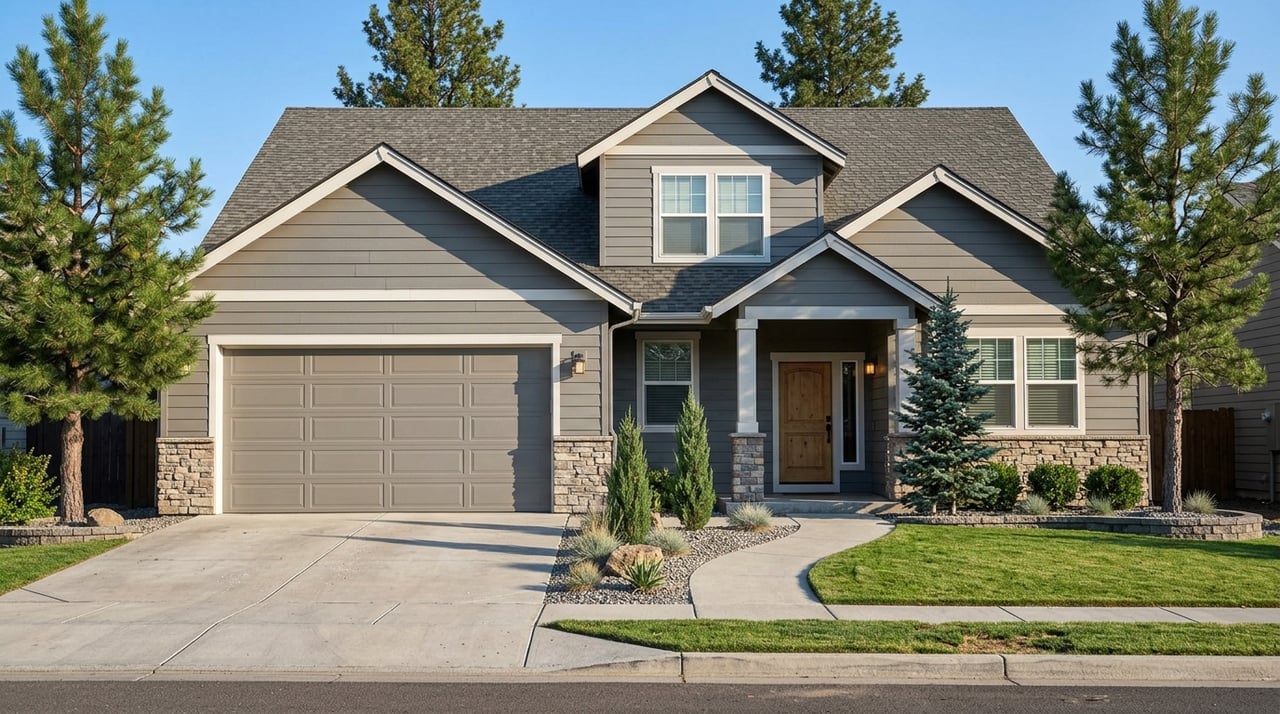
Buying a Home in Highlands Ranch: HOA Guide & Resale Value
June 11, 2026
June 11, 2026
If you are thinking about buying in Highlands Ranch, the HOA conversation matters more than many buyers expect. Two homes that seem similar on the surface can come with very different rules, dues, and lifestyle benefits. When you understand how Highlands Ranch is structured, you can make a smarter decision about monthly costs, daily living, and long-term resale appeal. Let’s dive in.
One of the first things to know is that Highlands Ranch is not an incorporated city. It is an unincorporated community in Douglas County, and local services are shared across several entities, including the Highlands Ranch Metro District, Douglas County, HRCA, and other special districts.
That matters because not every community feature is funded the same way. Some benefits come through property taxes, some through HRCA assessments, and some through a neighborhood sub-association. As a buyer, you want to look at the full cost of ownership, not just the purchase price.
HRCA is the homeowners association side of the community. It is funded through assessments and program fees, while the Highlands Ranch Metro District acts as the local government and is funded primarily by property taxes.
The Metro District is responsible for services such as parks, trails, open space, storm drainage, senior services, the Highlands Ranch Mansion, and water and wastewater contracts. HRCA focuses on homeowner association functions and recreation-related benefits.
This split can be confusing at first, but it is important when comparing homes. A trail, park, or open-space feature near a property may be maintained through the Metro District rather than through HOA dues.
Highlands Ranch uses a layered HOA structure. In addition to HRCA, some homes are also part of a sub-association with its own dues, management, and neighborhood-specific services.
HRCA notes that homeowners may need sub-association architectural review after HRCA review, if applicable. Neighborhoods such as Weatherstone and The Villages identify themselves as subassociations of HRCA, which shows how buyers can be subject to both master-association and neighborhood-level oversight.
That means you should never assume all Highlands Ranch homes have the same fee structure or the same approval process for exterior changes. Even homes located close together may operate differently.
For 2026, the standard HRCA assessment is $696 per year, or $174 per quarter, due on January 1, April 1, July 1, and October 1. According to HRCA, that amount is divided into $16 per quarter for administrative functions and $158 per quarter for recreation functions.
The administrative portion supports items such as covenant enforcement, billing and collections, accounting, finance, and community events. The recreation portion helps fund the recreation centers, the Backcountry Wilderness Area, bond expenses, capital improvements, and related debt service.
HRCA also notes that assessments are usually not included in your mortgage payment. At closing, the title company often collects one or two quarters in advance, so it is smart to ask about that early in the transaction.
If a home is in a sub-association, you may have another layer of dues on top of HRCA. Those dues can cover neighborhood-specific items such as landscaping, maintenance, utilities, insurance, snow removal, capital improvements, trash, recycling, or access to amenities like a neighborhood pool.
The Villages is one example of how this can work. It has its own management company, separate monthly assessment billing, and services tied specifically to that neighborhood.
Some subassociation residents, including those in the Retreat, Palomino, Village, and Gleneagles, may also pay an additional per-quarter recreation assessment to use HRCA facilities. So before you buy, make sure you know whether a home is HRCA-only or includes extra assessments.
Highlands Ranch amenities are a major draw for many buyers, but it helps to understand which benefits come from where. HRCA members get exclusive access to four recreation centers and the Backcountry Wilderness Area.
HRCA describes the Backcountry as an 8,200-acre conservation space with 26 miles of scenic trails. Its recreation centers include indoor, outdoor, and lap pools, along with courts for racquetball, pickleball, tennis, basketball, volleyball, indoor soccer, football, running tracks, fitness studios, and event rooms.
Separately, the Metro District maintains a broader public system with 26 parks, more than 70 miles of trails, and 2,644 acres of open space. For buyers, that means the overall lifestyle value in Highlands Ranch comes from a combination of HOA amenities and tax-supported public infrastructure.
Amenities can help a home feel more marketable, but they do not create automatic resale value on their own. Buyers tend to respond well to access to pools, fitness options, trails, parks, and recreation, especially when those features are easy to understand and easy to use.
At the same time, the relationship between HOA membership and home value is not simple. Research cited in the report suggests HOA membership has sometimes been associated with a price premium, but the effect is mixed and depends on factors such as fees, restrictions, services, and the size of the HOA.
In practical terms, that means a well-managed HOA with useful amenities may support marketability, while higher fees, stricter rules, or a history of buyer frustration may limit appeal. Resale value is usually strongest when the cost feels justified by the lifestyle and upkeep buyers actually experience.
Highlands Ranch’s parks, trails, and open-space network can absolutely be part of a home’s appeal. Many buyers value easy access to outdoor recreation and connected community features.
Still, trail and open-space proximity should be viewed in context. The research report notes that the value impact of greenways and similar features can vary based on design, maintenance, connectivity, and surrounding conditions.
So if you are comparing homes, think about how the location functions in real life. Is the trail access convenient? Does the nearby open space add to how the home feels? Those details often matter more than broad assumptions about premium value.
Fees are only part of the picture. HOA rules can also shape what it feels like to own the home after closing.
HRCA says exterior improvements require approval, even when you are replacing something like-for-like. In some cases, a project may also need review from a sub-association committee.
If you plan to update paint colors, roofing, windows, landscaping, or other exterior features, read the CC&Rs and any Residential Improvement Guidelines before you buy. This step can save you time, money, and frustration later.
Before you make an offer in Highlands Ranch, take time to confirm the details that affect both budget and future resale.
Here is a practical checklist to use:
Buying in Highlands Ranch can be a strong lifestyle move when the community structure matches your priorities. The key is to understand what you are paying for, what amenities you can access, and what rules come with the property.
When you look closely at HOA structure, recreation benefits, neighborhood-specific dues, and approval requirements, you can buy with more confidence. That kind of due diligence also helps you choose a home that will be easier to enjoy now and easier to position well when it is time to sell.
If you want clear, concierge-level guidance as you compare Highlands Ranch neighborhoods, Andrea Wright can help you evaluate fees, amenities, and resale considerations with the detail and personal service your move deserves.
ANDREA'S MANTRA ECHOES HER DEDICATION: "LUXURY ISN'T A PRICE-POINT - IT'S MY SERVICE STANDARD!"

482 West Happy Canyon Road
Castle Pines, CO 80108